
Why Invest
Why Invest In Gold, Silver and Platinum?
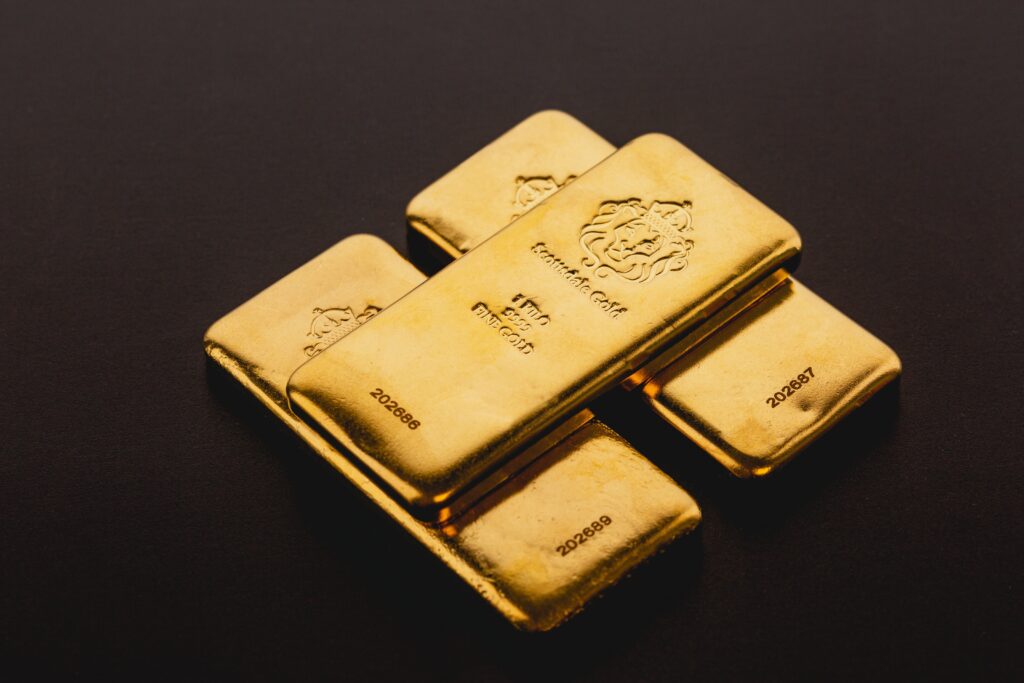
Gold
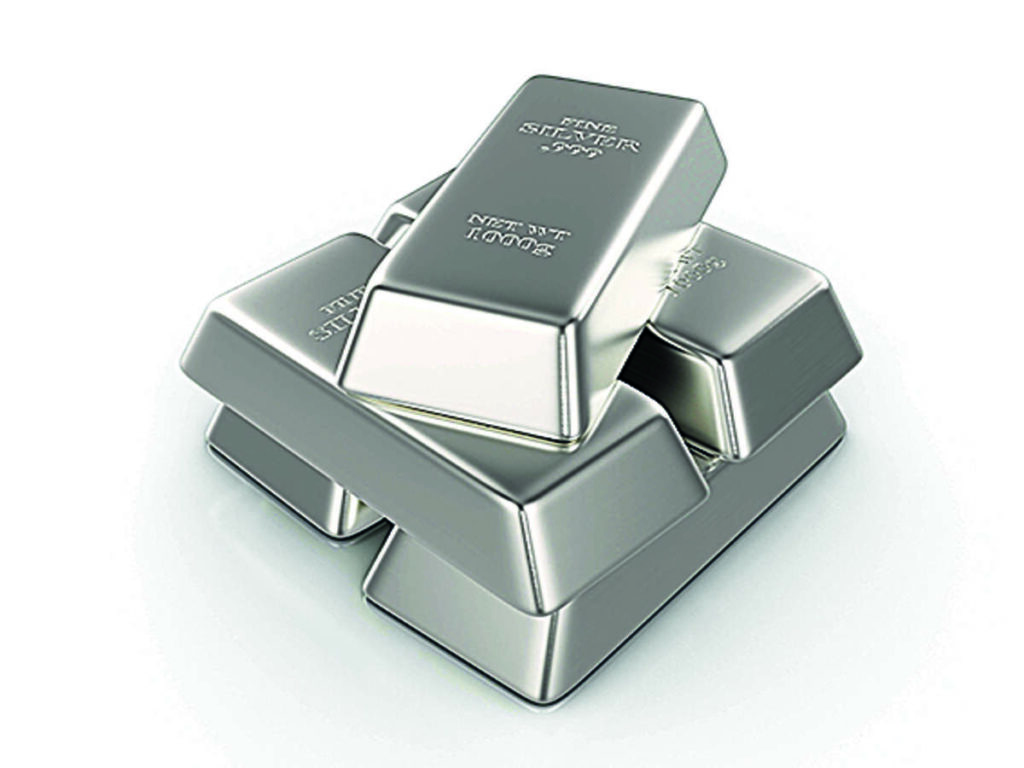
Silver
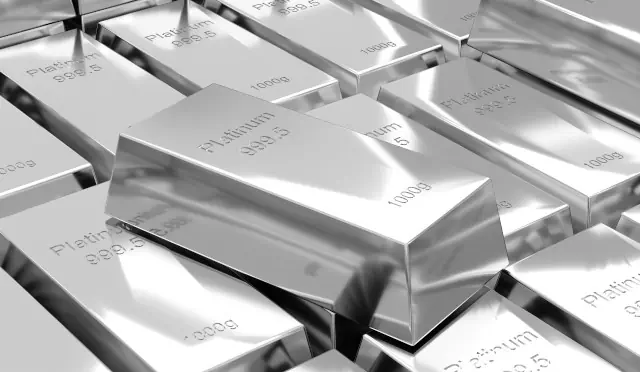
Platinum
Gold
A powerful asset for the future
Buying gold is a great investment for the long term and remains the best performing asset of the 21st century, with an average return of 15% a year, over the last ten years.
Why Should I Buy Gold?
Gold is generally considered to be a good foundation asset for most long term savings or investment portfolio setups.
The history of gold as an investment, going back centuries and in particular during times of financial uncertainty, has meant that investors often seek to protect their capital in assets that offer a safer store of value. A strong ‘wealth preserver’, gold’s stability in uncertain financial times means it remains a top priority for today’s shrewd investor.
Being one of very few financial assets that do not rely on an issuer’s promise to pay, gold is the ideal asset in which you can move away from any widespread default risk. It provides a way for investors to manage any risk of extreme movements in the value of other asset types.
Some of the many reasons for the recent and widespread upsurge of interest in gold as an asset class are as follows:
Diversify your portfolio
The majority of investment portfolios are usually made up of financial assets like stocks and bonds. By diversifying your portfolio you are then achieving additional protection from fluctuations in the value of any single asset, or indeed group of assets. The risk factors that may affect the price of gold are very different from factors that affect other assets and asset groups. Any investment portfolio, small or large, that contains gold is generally considered to be less volatile and a stronger proposition to those that do not contain gold.
Currency hedge
For many of the same reasons as previously stated above, gold is very often used as a hedge against currency fluctuations, especially the US dollar. If there is a rise in the value of the dollar, gold price generally falls. On the other hand a fall in the dollar (the world’s main trading currency) generally produces a rise in the price of gold. This is why gold consistently proves to be the most effective asset in protecting investors against dollar weakness.
Inflation hedge
As market cycles come and go, gold retains it’s purchasing power over the long term. Gold’s value has remained extremely stable for centuries. In direct contrast, the purchasing power of many currencies has declined, due mainly to the continuous rising prices of goods and services worldwide. Therefore the clever investor will very often rely on gold to counter this inflation and fluctuations in currency.
Risk management
A much less volatile asset than most commodities and many equity indices, gold tends to behave more like a currency. This offers gold investors low volatility, and may help to reduce overall risk in a portfolio, adding a beneficial effect on expected returns. Gold also manages risk more effectively as it can protect against “tail risks” (infrequent or unlikely but consequential negative events on markets).
Demand and supply
Gold prices are linked inextricably to the shifting balance of supply and demand. The demand for gold has shown consistent and sustained growth over the past decade. Alongside this fact, long lead times and increasing production costs have not resulted in any noticeable increase in gold mining output since 2001. These supply and demand factors have laid the way for the most positive long term outlook for gold investors in over a quarter of a century.
Silver
Atomic number 47 in the periodic table (symbol Ag), silver is a uniquely useful precious metal
The most common (0.07 parts per million in the earth’s crust vs. 0.03 for platinum and 0.01 for gold) of the noble metals – meaning it is resistant to corrosion and oxidation. Silver has been used to store wealth for 5,000 years, and was the foundation coin of most monetary systems before the 20th century.
Investment silver
Investor’s interest in silver rose as these modern uses became more commonly known a decade ago, but really took off when the financial crisis hit in 2007. As a proportion of world end-user demand, investment grew from 5% to above 22% in 2013. Prices soared to 30-year highs in 2011 as claims of global supply shortages also took hold. But hitting almost $50 per ounce – a 10-fold gain from only 8 years before – silver drew out a flood of scrap recycling. Historically the all-time high of $49.45 per ounce was hit in January 1980 when Texan oil barons the Hunt brothers famously tried to corner the market, hoarding silver as a hedge against inflation.
Because silver is primarily an industrial metal, its price can move more in line with copper over the medium term. But its strongest daily correlation is always with gold, they’ve moved in opposite directions on fewer than 25% of all trading days since 1968.
How can ordinary people buy investment silver?
Silver ETFs have proven popular with private investors, holding shares in a trust fund which then stores metal at a bank, typically in London. Smaller bar and silver coins have also grown sharply in demand since the financial crisis, now accounting for one-fifth of end-user demand. But dealing spreads can be wide (10% bid-ask), and sales tax applies in many countries. Private investors can avoid these costs, but still own physical metal outright, using services like Coventry Gold. Users choose to buy, own and trade in.
Industrial silver
Silver has the highest electrical and thermal conductivity of any element, and those properties, plus its relative abundance, means industry today accounts for the bulk of its annual demand (65% over the last decade). Leading uses are electrical and electronics, alloys and solders, and also in chemical catalysts, notably ethylene oxide (EO – needed for polyester, solvents, antifreeze, detergents, pharmaceuticals).
Newer uses include photovoltaic cells (although thrifting in solar panel manufacturer has cut the quantity needed per gigawatt by one-third since 2011), and as a biocide (bacteria can’t grow on silver) in everything from deodorants to timber preservatives and hospital linen.